
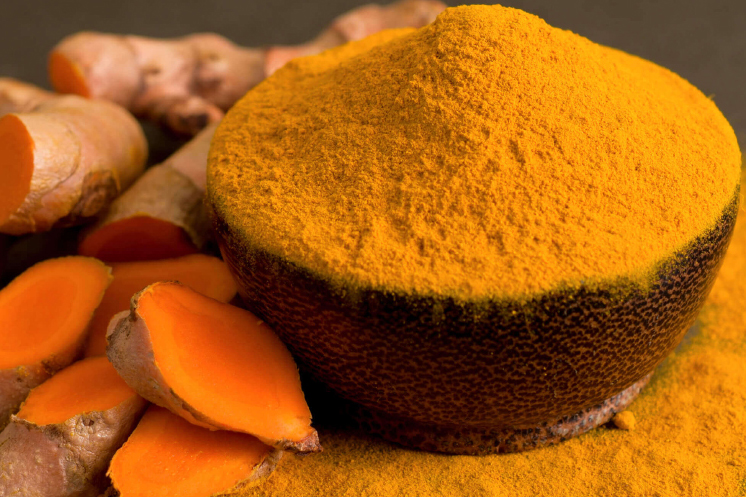
Turmeric powder, scientifically known as Curcuma longa, is a bright yellow-orange spice derived from the dried rhizomes (underground stems) of the turmeric plant, which belongs to the ginger family (Zingiberaceae). It has been used for thousands of years in Asian countries, particularly in India, China, and Southeast Asia, both as a culinary ingredient and a medicinal herb. The primary active compound in turmeric is curcumin, which is responsible for its vibrant color and many of its health-promoting properties. Curcumin is a powerful antioxidant and has notable anti-inflammatory, antimicrobial, and anticancer properties.
In culinary use, turmeric powder is a key component of curry powders, spice blends, and mustard, imparting flavor, color, and aroma to dishes. Its earthy, slightly bitter, and peppery taste complements a wide range of savory foods. In traditional medicine systems like Ayurveda and Traditional Chinese Medicine (TCM), turmeric is used to support digestion, purify the blood, improve liver function, relieve joint pain, and promote wound healing. Modern scientific research supports many of these traditional claims, especially its role in managing chronic inflammation-related conditions such as arthritis, metabolic syndrome, and cardiovascular diseases.