
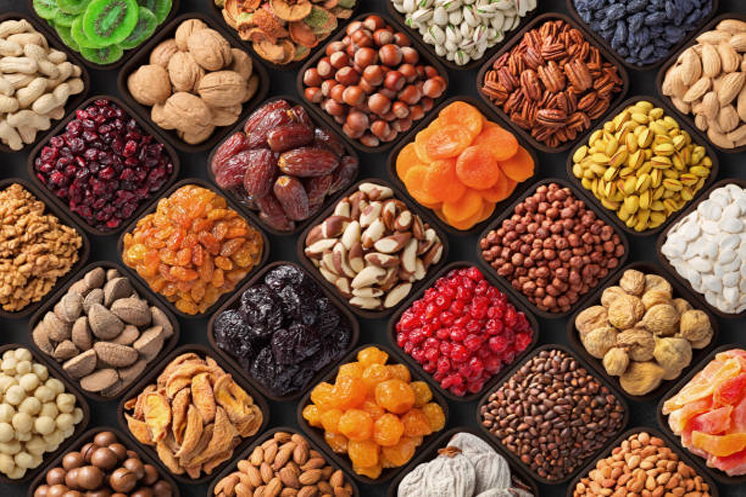
Dehydrated products are food items from which most of the water content has been removed through various drying methods to extend their shelf life and preserve their nutritional quality. Dehydration is one of the oldest and most effective food preservation techniques, as the removal of moisture inhibits the growth of microorganisms and reduces enzymatic activity that causes spoilage. Common dehydration methods include sun drying, hot air drying, spray drying, freeze drying, and vacuum drying, each offering different benefits depending on the product type. Foods commonly dehydrated include fruits, vegetables, herbs, spices, meat, fish, milk, and instant soups. Dehydrated products are lightweight, easy to transport, and require no refrigeration, making them ideal for long-term storage and emergency food supplies.
Nutritionally, dehydrated foods retain most of their carbohydrates, proteins, fats, and minerals, though some loss of heat-sensitive vitamins such as vitamin C and B-complex can occur during processing. In addition to home use, dehydration plays a vital role in the food industry, contributing to the production of convenience foods like instant noodles, powdered milk, fruit snacks, and ready-to-eat meals. The process also reduces transportation costs and food waste by extending the usability of perishable produce. Modern dehydration technology focuses on improving energy efficiency, color retention, and rehydration quality to maintain the product’s original flavor and texture. Overall, dehydrated products represent an important intersection of traditional preservation practices and modern food technology, supporting food security and global trade while promoting sustainable food storage solutions.