
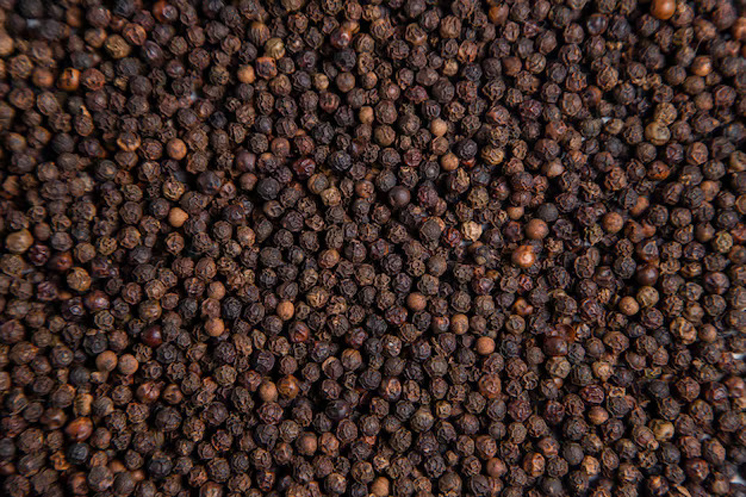
Black pepper, scientifically known as Piper nigrum, is one of the most widely used and historically significant spices in the world, often referred to as the “King of Spices.” It is derived from the dried unripe berries of the pepper plant, a perennial climbing vine native to the Malabar Coast of India (modern-day Kerala). These berries, known as peppercorns, are harvested when they are still green and then dried under the sun until they turn black and wrinkled. The characteristic pungent flavor and sharp aroma of black pepper come primarily from its active compound piperine, which is responsible for its spiciness and numerous health benefits.
Nutritionally, black pepper is rich in vitamins A, C, and K, as well as minerals like calcium, potassium, iron, and manganese. It contains essential oils such as caryophyllene and limonene, which contribute to its medicinal value and aromatic profile. Regular, moderate consumption of black pepper can help improve metabolism, support respiratory health, and strengthen immunity. However, excessive intake may cause gastric irritation in sensitive individuals. To preserve its potency, black pepper should be stored as whole peppercorns in airtight containers, as ground pepper tends to lose its flavor and aroma quickly. Beyond its role in food and medicine, black pepper has played a vital role in global trade and history—once considered as valuable as gold—symbolizing both culinary excellence and economic power.